 Pin it
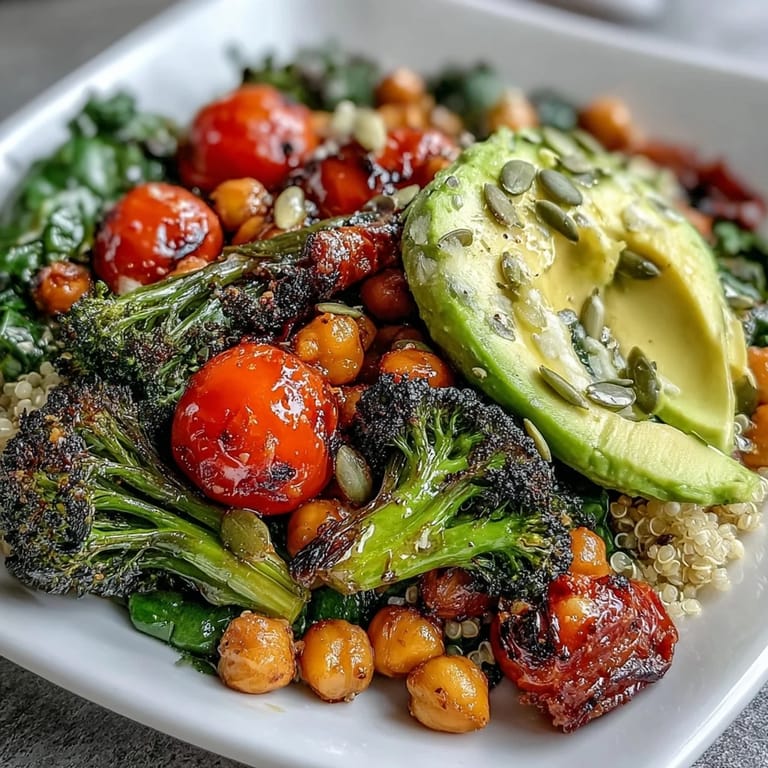
 Last Tuesday, I found myself staring into my nearly empty fridge, wondering how to transform a handful of forgotten vegetables and some canned legumes into something that felt intentional rather than desperate. What emerged was this bowl—colorful, satisfying, and surprisingly meditative to assemble. My partner walked in mid-chop and said it looked like something from a wellness magazine, which made me laugh because honestly, I was just hungry. That moment taught me that some of the best meals come from constraints, not recipes.
I made this for a friend who'd just gone vegan, and I watched her face light up when she realized how hearty and complete each bite felt. There was something beautiful about serving her a plate that tasted indulgent rather than restrictive, full of texture and depth. She asked for the recipe three times before I even finished eating.
Ingredients
- Quinoa, brown rice, or farro (1 cup): Pick whichever you have on hand—quinoa cooks fastest and has a gentle nuttiness, while brown rice and farro offer more chew and earthiness.
- Water or vegetable broth (2 cups): Broth adds flavor depth, but water works fine if that's what you've got.
- Salt (1/2 tsp): For cooking grains, this ensures they're seasoned from the inside out.
- Cooked chickpeas (1 cup): Buy canned and rinse them well—this step removes excess sodium and makes them taste fresher.
- Cooked lentils (1 cup): Green or brown lentils hold their shape beautifully, unlike red ones which can get mushy.
- Red bell pepper (1), diced: The sweetness balances the earthiness of legumes and roasted vegetables.
- Zucchini (1), sliced: It becomes tender and slightly caramelized when roasted, almost creamy in texture.
- Red onion (1 small), cut into wedges: The natural sugars intensify during roasting, turning sharp edges into sweet caramelized bites.
- Cherry tomatoes (1 cup), halved: Their burst of acidity cuts through the richness of tahini dressing.
- Broccoli florets (2 cups): Roasted until the edges char, they develop a crispy, almost nutty flavor.
- Olive oil (2 tbsp): This is what creates the magic char on vegetables—don't skimp.
- Smoked paprika (1 tsp): It adds depth without overpowering, a secret weapon for making simple vegetables taste complex.
- Ground cumin (1/2 tsp): A warm spice that ties the whole bowl together with subtle earthiness.
- Salt and black pepper, to taste: Taste as you go—seasoning in layers makes the biggest difference.
- Fresh parsley (1/4 cup), chopped: The brightness cuts through richness and adds a fresh finish.
- Avocado (1), sliced: Add this just before eating so it doesn't brown—creamy texture is what makes each spoonful luxurious.
- Toasted pumpkin seeds (2 tbsp): They add crunch and subtle nuttiness that's absolutely essential for textural contrast.
- Lemon wedges: Squeeze these over your bowl to brighten everything at the last moment.
- Tahini (2 tbsp): This is your dressing foundation—creamy, rich, and makes the whole bowl come together.
- Lemon juice (1 tbsp): Cuts through tahini's richness and prevents the dressing from feeling heavy.
- Water (1 tbsp, more as needed): Use this to thin the dressing to drizzle consistency—start with less and add gradually.
- Garlic clove (1 small), minced: Raw garlic adds a sharp bite that brightens the tahini base.
Tired of Takeout? 🥡
Get 10 meals you can make faster than delivery arrives. Seriously.
One email. No spam. Unsubscribe anytime.
Instructions
- Heat your oven and gather your mise en place:
- Set the oven to 425°F and pull out your cutting board and bowls. When everything is ready before you start cooking, the whole process feels calmer and less frantic.
- Start the grains:
- Bring water or broth to a boil in a medium saucepan with salt, then add your grains, reduce heat, cover, and let them simmer gently. Timing varies—quinoa takes 15 minutes, brown rice about 40, and farro around 25—so check the package or taste a grain to see if it's tender.
- Prep the vegetables while grains cook:
- Cut everything into roughly the same size so they roast evenly. Toss them with olive oil, smoked paprika, cumin, salt, and pepper, making sure every piece gets coated.
- Spread vegetables on a single layer:
- Don't crowd the pan—give them space to breathe and roast rather than steam. Stir halfway through so they char evenly on all sides.
- Roast until tender and slightly charred:
- Watch for the edges to turn golden brown, especially on the broccoli and onions—this is where all the flavor happens. It should take 20 to 25 minutes total.
- Warm your legumes gently:
- While vegetables roast, heat chickpeas and lentils in a small pan with a splash of olive oil, salt, and pepper. They don't need much—just enough to take the chill off and warm through for a minute or two.
- Make the tahini dressing:
- Whisk tahini, lemon juice, minced garlic, salt, and pepper together, then add water one tablespoon at a time until you reach drizzle consistency. It should coat the back of a spoon but still pour smoothly.
- Assemble your bowls with intention:
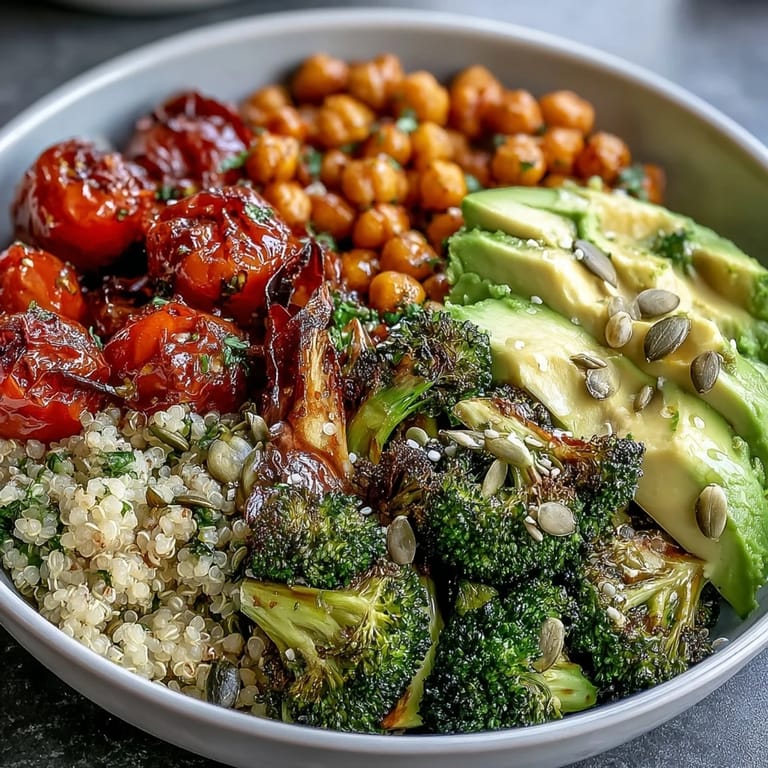
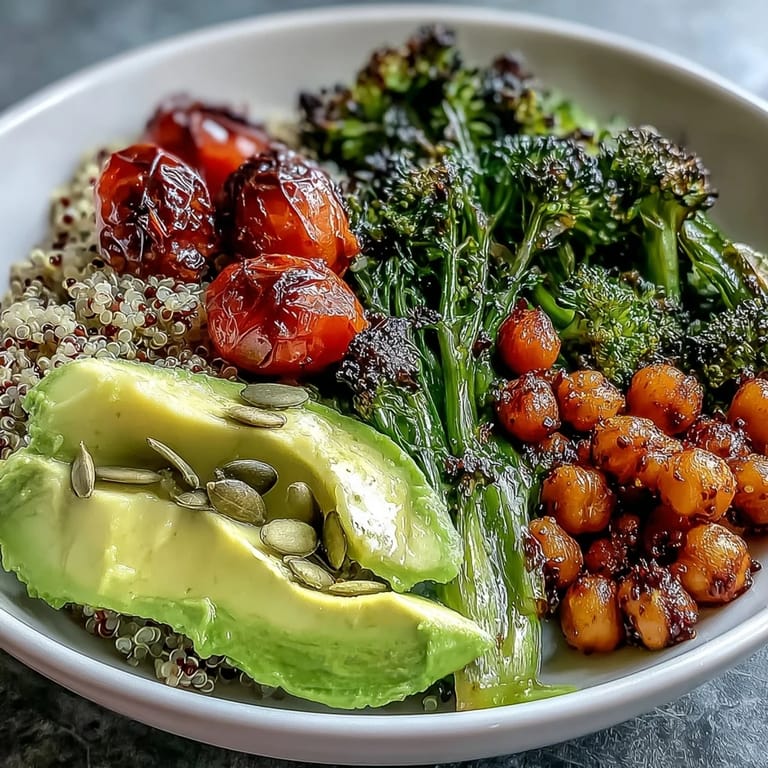
- Start with grains as your base, then layer on roasted vegetables, warm legumes, and a generous drizzle of tahini dressing. Each bowl becomes a small work of art.
- Finish with fresh garnishes:
- Top with fresh parsley, avocado slices, toasted pumpkin seeds, and serve with lemon wedges on the side. The garnishes add brightness and crunch that make the whole experience feel complete.
 Pin it
 There's something quietly powerful about serving a bowl that nourishes without apologizing, that's equally at home on a Tuesday lunch break or a dinner with friends. I realized this recipe became my default when I had nothing to prove and everything to feed.
Why Temperature Matters
Warm grains and legumes against cool avocado creates a textural contrast that keeps each spoonful interesting. I used to assemble everything at room temperature and wondered why it felt flat—then one day I warmed the grains and legumes and suddenly understood. The warmth also helps the tahini dressing coat everything more evenly, clinging to the vegetables rather than pooling at the bottom.
Making It Seasonal
Winter calls for roasted sweet potatoes, cauliflower, and Brussels sprouts with a drizzle of pomegranate molasses instead of tahini. Spring invites fresh snap peas, asparagus, and a lemon-herb dressing. Summer begs for raw corn, grilled zucchini, and heirloom tomatoes. Fall brings butternut squash, kale, and a maple-tahini dressing. I keep a simple rule: pick three to four vegetables that are currently in season, roast them with the same spices, and the bowl transforms completely while the structure stays familiar.
Building Flavor in Layers
The secret to a bowl that tastes vibrant rather than bland is seasoning at multiple stages. Season the vegetables before roasting, warm the legumes with salt and pepper, taste the dressing and adjust acidity, then finish with fresh lemon and parsley. Each layer adds depth, so by the end, everything tastes intentional rather than one-dimensional.
- Toast your spices in a dry pan for 30 seconds before mixing with oil to deepen their flavor.
- Taste the tahini dressing while you're whisking it—if it tastes too rich, add more lemon juice rather than water.
- Always season at the end with fresh lemon and an extra pinch of fleur de sel for brightness and a subtle crunch.
 Pin it
 This bowl taught me that nourishing food doesn't require complicated techniques or hard-to-find ingredients, just intention and respect for simple, whole things. Make it once and it becomes a template you return to again and again.
Recipe FAQ
- → What vegetables work best for this bowl?
Bell peppers, zucchini, red onion, cherry tomatoes, and broccoli roast beautifully together. You can also substitute sweet potato, cauliflower, carrots, or butternut squash based on seasonality and preference.
- → Can I make this ahead for meal prep?
Absolutely. Cooked grains, roasted vegetables, and legumes store well in separate airtight containers for 4-5 days. Keep the dressing separate and add fresh garnishes like avocado just before serving.
- → What legumes provide the most protein?
Chickpeas and lentils both offer excellent plant-based protein. Green or brown lentils cook quickly and hold their shape well. You can also use black beans, kidney beans, or a combination for variety.
- → How do I get the tahini dressing consistency right?
Whisk tahini with lemon juice and minced garlic first, then gradually add water one tablespoon at a time until you reach a smooth, drizzle-worthy consistency. The dressing thickens initially before thinning out.
- → What grains pair well with this combination?
Quinoa, brown rice, and farro all provide excellent texture and nutty flavor. For quicker options, try couscous or bulgur. Choose certified gluten-free grains if needed, as the bowl naturally accommodates dietary restrictions.
- → Can I add protein beyond legumes?
While chickpeas and lentiles provide substantial protein, you can add grilled tofu, tempeh, or a fried egg on top. Feta or goat cheese also works well if you're not following a vegan diet.