 Pin it
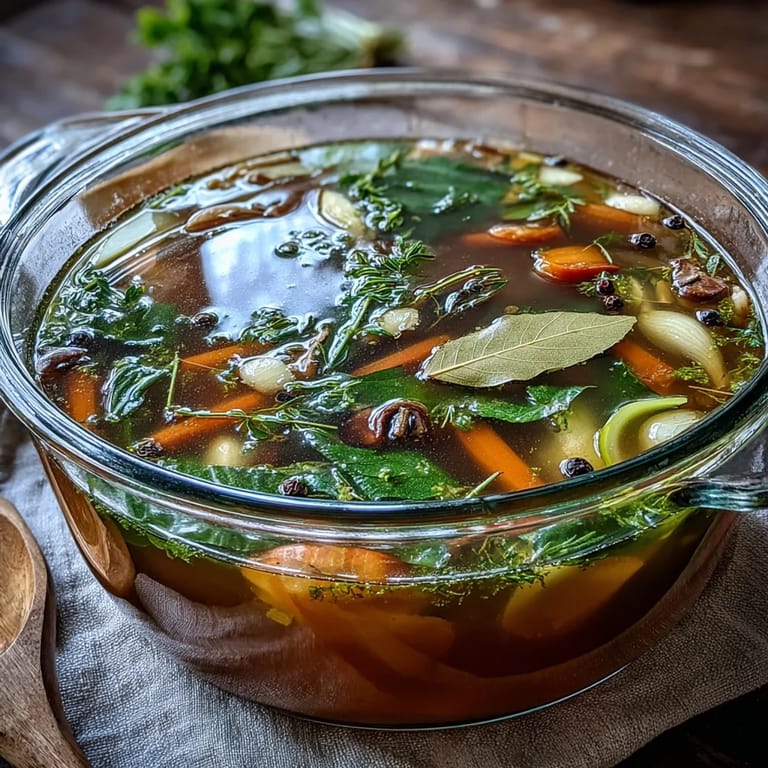
 The first time I made vegetable broth from scraps, I felt like I'd discovered a secret kitchen superpower. My grandmother had been doing this for decades, keeping a marked container in her freezer for carrot peels and celery ends, but I'd always thought it was just frugality talking. Then one rainy Sunday, I found myself with an overflowing scrap bag and nothing else to do but experiment. The smell that filled my kitchen was absolutely transformative, rich and comforting in a way store-bought broth never quite manages to be.
Last winter, when my best friend was recovering from surgery and needed something nourishing but gentle, I brought her a jar of this broth. She called me two days later to say it was the first thing that actually tasted good and made her feel cared for. Since then, I've started keeping a dedicated scrap bag in my freezer, just waiting for the next batch. There's something deeply satisfying about turning what would be compost into something that warms you from the inside out.
Ingredients
- Vegetable Scraps: Save your carrot peels, onion skins, celery ends, leek tops, mushroom stems, parsley stems, and garlic skins in a container in the freezer. Avoid potato peels and brassicas as they can make your broth bitter or cloudy.
- Bay Leaf: Adds a subtle earthy depth that ties all the vegetable flavors together beautifully.
- Black Peppercorns: Just enough to give a gentle warmth without overwhelming the delicate vegetable flavors.
- Garlic: Crush it before adding to release all those aromatic oils.
- Salt: Keep it minimal since you'll likely season the final dish you're making.
- Fresh Thyme: A sprig adds a lovely herbal note, but dried works perfectly fine too.
- Cold Water: Always start with cold water, it helps extract flavors more gradually and evenly.
Tired of Takeout? 🥡
Get 10 meals you can make faster than delivery arrives. Seriously.
One email. No spam. Unsubscribe anytime.
Instructions
- Gather Your Scraps:
- Collect about four cups of clean vegetable trimmings, making sure they're fresh and not starting to spoil.
- Combine Everything:
- Place your scraps in a large stockpot with bay leaf, peppercorns, crushed garlic, salt, and thyme.
- Add Water:
- Pour in eight cups of cold water, making sure all the vegetable pieces are completely submerged.
- Bring to a Gentle Boil:
- Heat over medium-high until you see bubbles, then immediately reduce to a gentle simmer.
- Let It Work:
- Simmer uncovered for 45 to 60 minutes, skimming off any foam that rises to the surface.
- Taste and Adjust:
- Sip a spoonful and add more salt if needed, though keeping it light is usually best.
- Strain Carefully:
- Pour everything through a fine-mesh sieve into a clean container, catching all those spent vegetables.
- Cool and Store:
- Let the broth cool completely before transferring to airtight containers for the fridge or freezer.
 Pin it
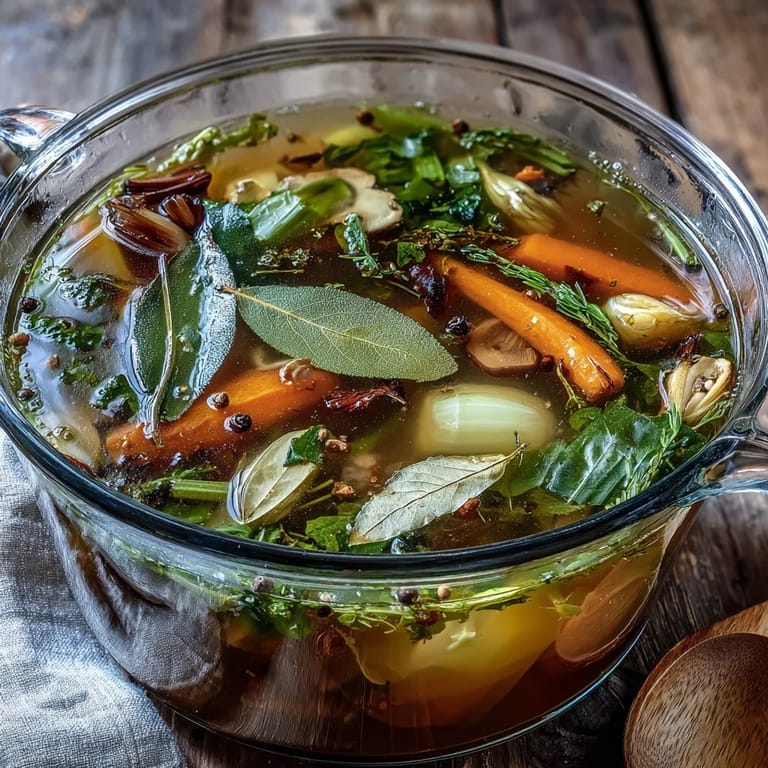
 There's a quiet meditative quality to making broth, watching the water turn from clear to golden as it absorbs all those vegetable essences. I've started making it a Sunday ritual, listening to podcasts while the pot gently simmers away. The whole house smells amazing, and at the end I have something that will make every meal I cook that week taste better.
Building Your Scrap Collection
Keep a designated container or resealable bag in your freezer and add trimmings as you cook throughout the week. When it's full, you're ready to make broth. I've found that having a consistent mix of onion, carrot, and celery gives the best results, but almost anything works as long as you avoid the bitter vegetables.
Freezing and Storage
Cool your broth completely before freezing, and leave about an inch of space at the top of containers since liquid expands. I like freezing in 2-cup portions since most recipes call for that amount. Frozen broth keeps for three months, though in my house it rarely lasts that long.
Ways to Use Your Broth
This broth shines in everything from simple soups to braised dishes and grain pilafs. Sometimes I just heat a cup with a little miso stirred in for a quick, nourishing snack. The depth of flavor it adds to risottos is absolutely remarkable compared to store-bought versions.
- Use it as the cooking liquid for rice, quinoa, or other grains
- Add depth to sauces and gravies without overpowering other flavors
- Freeze some in ice cube trays for quick additions to pan sauces
 Pin it
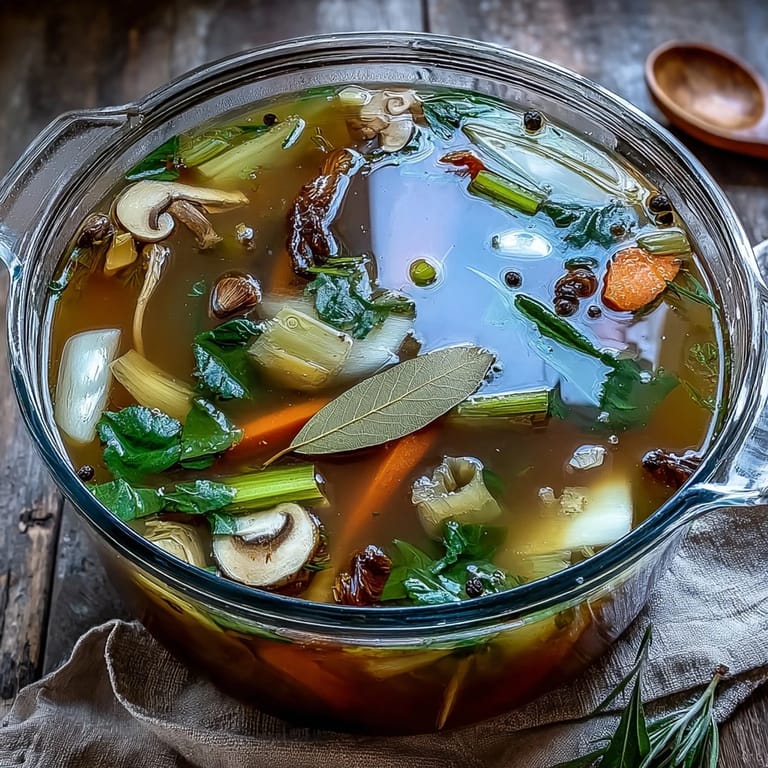
 Every time I strain a batch of this golden broth, I'm reminded of how much flavor we toss away without thinking. It's become one of those simple kitchen practices that makes me feel connected to generations of cooks who knew how to use everything well.
Recipe FAQ
- → Which vegetable scraps work best for broth?
Carrot peels, onion skins, celery ends, leek tops, mushroom stems, parsley stems, and garlic skins create excellent depth. These aromatics build a robust foundation with complementary sweet and savory notes.
- → What vegetables should I avoid adding?
Skip potato peels and brassicas like broccoli, cauliflower, and cabbage. These can introduce bitterness or cloudiness to your final product, affecting both clarity and taste.
- → How long can I store this in the refrigerator?
Keep your strained liquid in airtight containers for up to 5 days when refrigerated. For longer preservation, freeze portions for up to 3 months without losing quality or flavor.
- → Can I enhance the flavor before simmering?
Roast vegetable trimmings at 200°C (400°F) for 20 minutes beforehand. This caramelization deepens the color and adds rich, roasted notes to your finished creation.
- → What can I add for extra umami depth?
A small piece of kombu seaweed or dried mushroom introduces savory complexity. These ingredients naturally enhance the richness without overpowering the vegetable essence.
- → Why should I avoid adding salt initially?
Using the liquid as a base for other dishes means additional ingredients may contribute sodium. Season lightly at the end, allowing flexibility for various culinary applications.