 Pin it
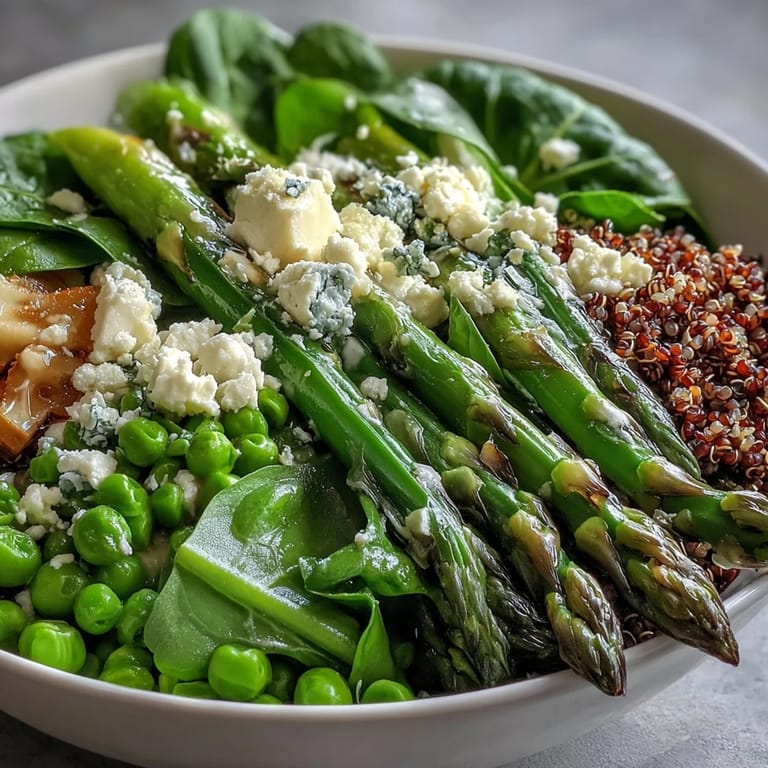
 Last spring, I found myself standing in the farmers market with a basket overflowing with the first tender vegetables of the season, and I realized I had no real plan. The peas were impossibly bright, the asparagus still had that slight curve of something just picked, and I grabbed a bunch of spinach because it felt right. That afternoon, I threw together this bowl almost by accident, layering everything over some quinoa I had leftover, and it tasted like the exact moment when winter finally lets go. My partner came home to the kitchen smelling of lemon and fresh greens, and we ate straight from the bowl without even sitting down.
I made this for my sister when she was visiting and feeling overwhelmed by work, and watching her fork through it while sitting at the kitchen counter was one of those small moments that stuck with me. She didn't say much, just kept eating quietly, and afterward she asked if I could teach her how to make it. Now she sends me photos of her versions from her own kitchen across the country, each one slightly different depending on where she shops. It became our thing, this bowl—proof that food can be a way of staying close.
Ingredients
- Quinoa, brown rice, or farro (1 cup): Choose based on what you have or what you're craving; quinoa is quickest and adds a subtle nuttiness, while brown rice feels more grounding and farro has this wonderful chew.
- Water (2 cups) and salt (½ tsp): Don't skip salting the cooking water—it's your chance to season the grains from the inside out, not just coat the surface.
- Fresh or frozen green peas (1 cup): Frozen peas are honestly wonderful here because they're picked at peak ripeness and blanching them takes just minutes to restore their brightness.
- Asparagus (1 cup trimmed): Cut into 2-inch pieces so they cook evenly and look intentional on the plate; woody ends snap off naturally when you bend them.
- Green beans (1 cup trimmed): These add textural contrast and that satisfying snap when you bite into them; don't overcook or they'll lose their personality.
- Baby spinach (2 cups): A quick wilt transforms raw spinach into something silky and deeper in flavor without making the bowl heavy.
- Extra-virgin olive oil (3 tbsp): This is where flavor lives in the dressing, so don't reach for the basic bottle; taste matters here.
- Freshly squeezed lemon juice (2 tbsp) and lemon zest (1 tsp): Fresh juice changes everything—it's brighter, more alive than bottled, and the zest adds little bursts of citrus oil throughout.
- Dijon mustard (1 tsp): It acts as an emulsifier and adds a subtle complexity that makes the dressing feel complete rather than just tart.
- Maple syrup or honey (1 tsp): A tiny amount rounds out the sharpness and helps the dressing come together, but go easy or you'll lose the brightness.
- Garlic (1 small clove, minced): Raw garlic in the dressing adds punch; if you're sensitive to it, let it sit in the lemon juice for a few minutes first and it mellows slightly.
- Toasted pumpkin seeds or sunflower seeds (optional, 2 tbsp): The toasting step matters—it wakes up the seeds and gives them a deeper, almost nutty flavor that anchors the bowl.
- Crumbled feta (optional, ¼ cup): Salty and creamy, it's the one element that makes this feel indulgent rather than virtuous, but it's truly optional and the bowl stands on its own without it.
- Fresh herbs—mint, parsley, or dill (optional, chopped): Mint brings a cooling effect, parsley adds earthiness, and dill plays beautifully with the lemon; choose based on your mood or what's growing nearby.
Tired of Takeout? 🥡
Get 10 meals you can make faster than delivery arrives. Seriously.
One email. No spam. Unsubscribe anytime.
Instructions
- Rinse and start your grains:
- Run your grains under cold water in a fine mesh strainer, letting the starch wash away—this keeps them from clumping and gives them better texture. Bring water and salt to a rolling boil, add the grains, and once it returns to a boil, lower the heat and cover it to cook gently until each grain is tender but not mushy, checking the package for timing.
- Blanch the spring vegetables:
- Bring a large pot of salted water to boil and blanch each vegetable separately so you can control when each one hits its perfect moment; peas, asparagus, and green beans each take about 2 to 3 minutes until they're bright and just tender. The second they're done, fish them out with a slotted spoon and plunge them into ice water to shock them and stop the cooking—this is the secret to keeping them that vivid green.
- Wilt the spinach gently:
- Heat a skillet over medium heat and add the spinach with just a pinch of salt; it'll seem like too much spinach at first but it collapses into something silky in barely a minute. Don't overcook it or you'll lose that delicate quality that makes fresh spinach special.
- Whisk together your dressing:
- In a small bowl, combine the oil, lemon juice, zest, mustard, sweetener, and garlic, then whisk it all together until it's emulsified and the color shifts slightly lighter. Season to taste and remember that you can always add more lemon juice but you can't take it back, so go easy at first.
- Build your bowls with intention:
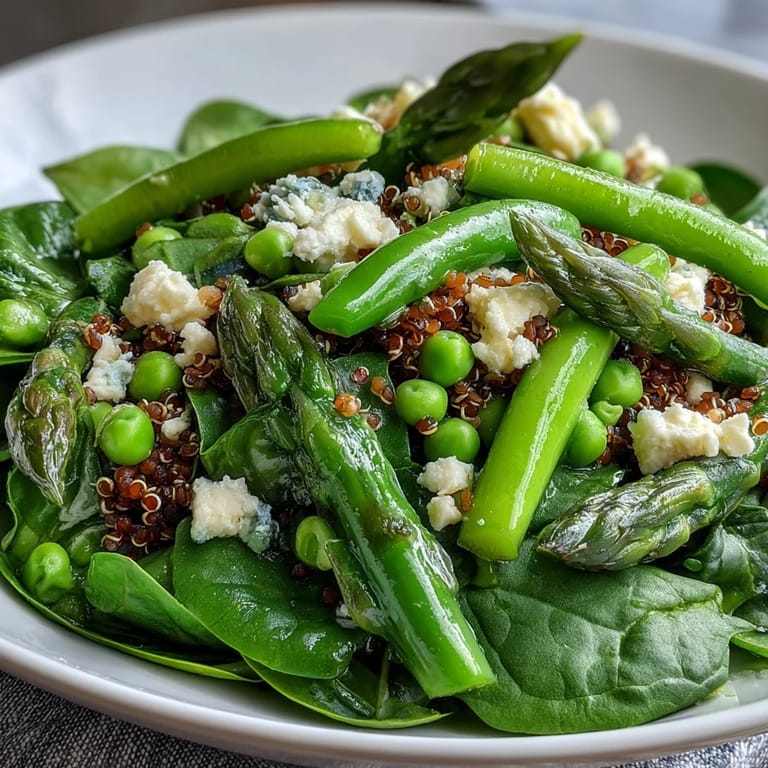
- Divide the warm grains among four bowls, creating a base that will catch the dressing, then arrange the blanched vegetables and spinach on top in whatever pattern feels right to you. Some people like to separate everything into sections; others layer it; there's no wrong way.
- Finish and serve:
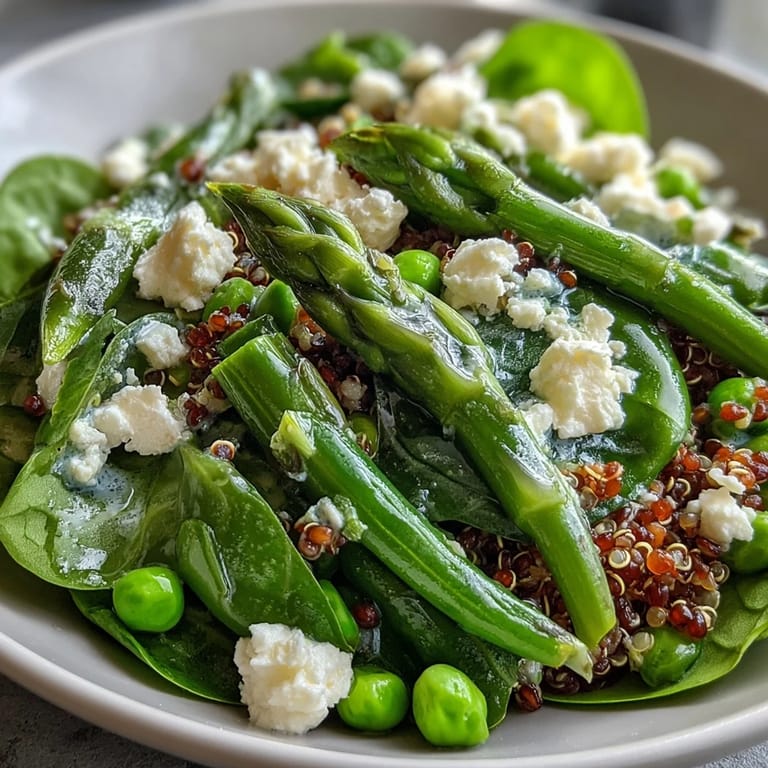
- Drizzle the dressing over each bowl, then scatter the seeds, cheese if using, and fresh herbs across the top. Serve right away while the grains are still warm and the contrast between warm and cool vegetables is still there.
 Pin it
 There's something almost meditative about assembling these bowls, standing at the counter with everything prepped and laid out, deciding how to arrange each element. It's the kind of meal that tastes better when you've paid a little attention to it, when you've actually thought about how the colors look together and what each bite will be.
The Art of Blanching (Why It Matters)
The first time I blanched vegetables properly, I thought I was overcomplicating things, but then I bit into an asparagus spear and understood immediately. That brilliant green color and the snap of texture isn't accident—it's the result of those few minutes in boiling water followed by that cold shock that stops everything. Once you experience the difference between blanched-and-iced vegetables and just raw or overcooked ones, you'll understand why restaurants do this and why it matters for this bowl.
Grain Flexibility and Timing
I've made this bowl with quinoa on a Tuesday when I was in a hurry, brown rice on a Sunday when I had time to think, and farro when I was feeling like something with more presence. Each grain behaves differently—quinoa's ready in 15 minutes and has that fluffy bounce, brown rice takes longer but feels earthier and more substantial, and farro chewy and almost creamy. The vegetables and dressing don't change, but somehow the grain you choose shifts the whole personality of the meal, so pay attention to what you reach for and notice how it affects the experience.
Making It Your Own (And Why That Works)
This bowl is a foundation, not a prescription, and the best versions I've eaten have been the ones where someone added what they had or what they were craving. I've seen versions with roasted beets sneaking in color, others where someone threw in blanched broccoli because that's what was in the crisper, and one unforgettable version where my friend added grilled tofu and suddenly it became a complete meal in a single bowl. The architecture stays the same—grains, vegetables, dressing—but the details can shift with seasons, availability, and what's calling to you that day.
- Try adding grilled chicken, baked tofu, or roasted chickpeas if you want more protein and substance.
- Swap vegetables freely based on what's in season or what you have; blanched broccoli, roasted carrots, or even thinly shaved raw radishes work beautifully.
- If you can't find fresh lemon, a good quality bottled lemon juice works, though the difference is noticeable if you taste them side by side.
 Pin it
 This bowl became a regular in my rotation because it asks so little and gives back so much—a few minutes of attention and you've got something that tastes like you care. It's the kind of meal that works for lunch alone or dinner with people you love, that tastes good warm or at room temperature, and somehow always feels a little bit like spring no matter when you make it.
Recipe FAQ
- → Can I make this bowl ahead of time?
Absolutely. Cook the grains and vegetables up to 3 days in advance, storing them separately in airtight containers. Keep the dressing in a jar and toss everything together just before serving for the freshest texture and flavor.
- → What other grains work well in this bowl?
Farro, bulgur, couscous, or even barley make excellent bases. Choose heartier grains like farro or brown rice if you prefer more chew, or lighter options like couscous for a quicker preparation time.
- → Can I use frozen vegetables instead of fresh?
Yes, frozen peas and green beans work beautifully. Simply blanch them briefly in boiling water—no need to thaw first. For asparagus, fresh is recommended as frozen can become quite soft after cooking.
- → How do I add more protein to make it a complete meal?
Grilled chicken, pan-seared tofu, roasted chickpeas, or even a soft-boiled egg all complement the fresh flavors. Simply prepare your protein of choice separately and arrange it on top of the grains and vegetables.
- → Is this bowl suitable for meal prep?
Perfect for meal prep. The flavors actually meld beautifully after a day in the refrigerator. Just store the dressing separately and add it right before eating to keep everything crisp and vibrant.
- → Can I substitute the maple syrup in the dressing?
Honey works equally well if you're not strictly vegan. For a completely natural sweetness without added sugars, a pinch of grated apple or a drop of date syrup can also provide balanced acidity in the dressing.