 Pin it
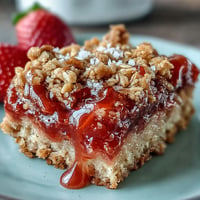
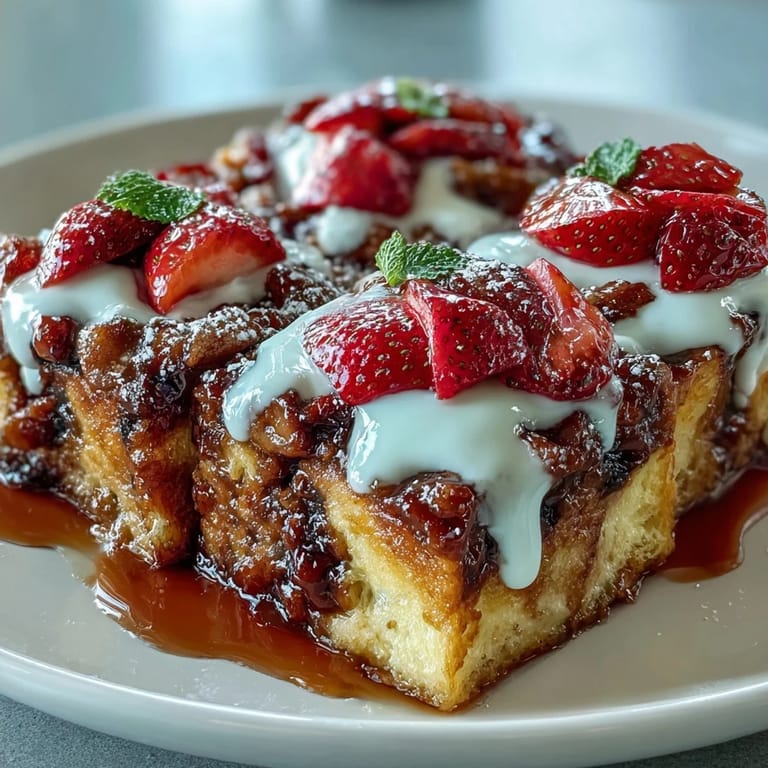
 My sister called on a Saturday morning asking if I could bring brunch to her place, and I had maybe three hours to figure it out. Instead of stressing over timing, I remembered a trick my neighbor had shared: a baked French toast casserole that could sit in the oven while we all caught up over coffee. The moment I pulled this golden, strawberry-studded creation out and the kitchen filled with that vanilla-custard warmth, I knew I'd found my go-to spring move.
The first time I made this for a group, I was genuinely nervous about the overnight assembly part. Would the bread turn to mush? Would the eggs cook through evenly? But pulling that dish from the fridge the next morning and sliding it into the oven felt like a small kitchen victory, and watching my friends' faces when they tasted that contrast between the custardy bread and the snappy topping made every doubt dissolve instantly.
Ingredients
- Brioche or challah bread (about 450 g, cut into 1-inch cubes): This is your foundation, and the richness of brioche absorbs the custard without falling apart like regular white bread would; if you only have regular bread, that works too, but brioche makes this feel special.
- Large eggs (6): They're the custard glue that holds everything together while baking, so don't skip them or substitute with egg whites.
- Whole milk (2 cups) and heavy cream (1/2 cup): The milk keeps things light while the cream adds that luxurious mouthfeel; I learned the hard way that skipping the cream makes it taste a bit too eggy.
- Granulated sugar (1/2 cup): This sweetens the custard without crystallizing, and the amount is balanced so it's not cloying when combined with the fruit and maple syrup.
- Pure vanilla extract (2 tsp): Real vanilla matters here because it's one of the few flavors that shines through in a baked custard; imitation just fades away.
- Ground cinnamon and salt (1/4 tsp each): A whisper of warmth and the salt actually heightens the vanilla flavor, something I discovered by tasting custard before and after that pinch.
- Fresh strawberries (2 cups, hulled and sliced): Spring's whole point, really; choose berries that smell sweet and are just ripe, not mushy.
- All-purpose flour and brown sugar (1/2 cup and 1/4 cup): For the topping; brown sugar adds molasses depth compared to white sugar.
- Cold unsalted butter (1/4 cup, cubed): Cold butter is essential for that crumbly texture; room temperature butter will just melt into everything and you'll lose the contrast.
- Powdered sugar and maple syrup: The finishing touches that turn it from good to photograph-worthy.
Tired of Takeout? 🥡
Get 10 meals you can make faster than delivery arrives. Seriously.
One email. No spam. Unsubscribe anytime.
Instructions
- Prep your oven and baking dish:
- Heat your oven to 175°C (350°F) and grease that 9x13 inch dish well so nothing sticks. I use butter for greasing because it smells better than cooking spray and honestly, the few extra calories are worth it.
- Layer bread and berries:
- Spread the bread cubes evenly in your dish, then scatter the sliced strawberries over them like you're arranging flowers. Don't stress about precision; this is supposed to feel homemade.
- Make the custard:
- Whisk eggs, milk, cream, sugar, vanilla, cinnamon, and salt in a large bowl until it's smooth and pale, then pour it slowly over the bread. Press gently on the bread cubes with a spatula or wooden spoon so they soak up as much custard as possible, but don't crush them.
- Create the crumb topping:
- Mix flour, brown sugar, and cinnamon in a medium bowl, then add your cold butter cubes and use your fingertips to rub everything together until it looks like coarse breadcrumbs with pea-sized chunks of butter still visible. Sprinkle it evenly over the casserole, covering the whole surface.
- Bake until golden:
- Slide it into the oven for 40 to 45 minutes; you'll know it's done when the custard is set (a light jiggle in the very center is okay, but it shouldn't slosh) and the topping is deeply golden. The kitchen will smell impossibly good halfway through.
- Cool and serve:
- Let it rest for 10 minutes so the custard firms up and is easier to portion. Dust with powdered sugar if you're feeling fancy, then serve with maple syrup on the side.
 Pin it
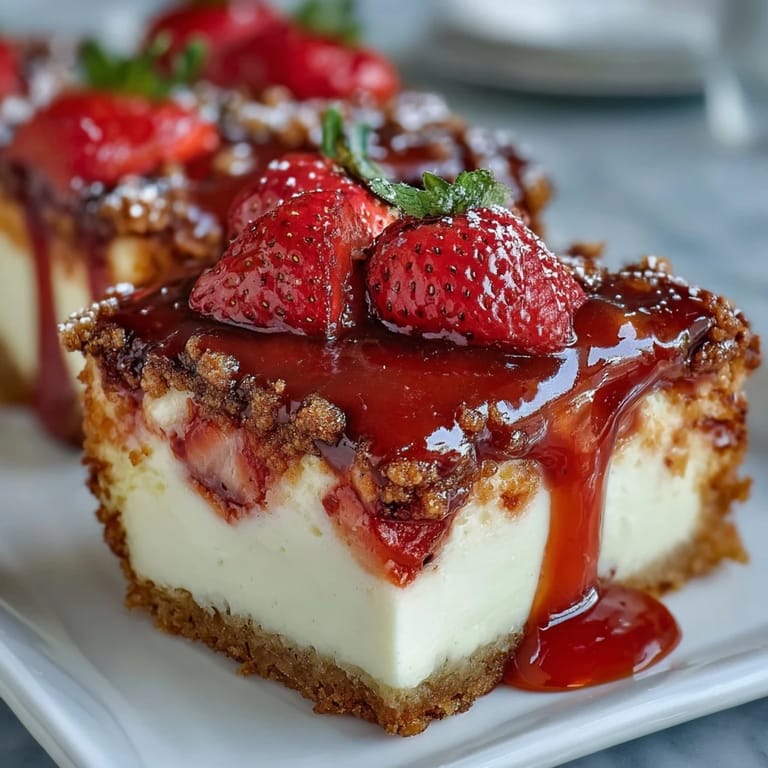
 What made this recipe truly mine was a moment when a friend who's usually skeptical about brunch foods went quiet after her first bite, then immediately asked for the recipe. That's when I realized this wasn't just custard and fruit; it was an edible version of a spring morning, of taking time to feed people well, of knowing that something so simple to assemble could make that much of a difference.
Make It Ahead (The Real Game Changer)
The magic of this recipe is that it thrives on advance planning. Assemble everything the night before, cover the baking dish tightly with foil, and refrigerate overnight. The bread absorbs the custard slowly and evenly, and honestly, I think it tastes better when it's had time to sit. Just pull it straight from the fridge into the oven the next morning; no need to let it come to room temperature, though it might take an extra 5 minutes to bake.
Flavor Variations That Work
Once you understand how this dish works, it becomes a canvas. I've swapped strawberries for raspberries when they were on sale, which gave everything a sharper, more complex flavor. Blueberries keep their structure better and add an earthiness that's less obviously sweet. A tablespoon of lemon zest whisked into the custard brightens the whole thing up, especially if your berries are more tart than sweet, and I once added a tiny hint of almond extract alongside the vanilla, which sounds risky but somehow worked beautifully.
The Timing and Temperature Truth
I've learned that the difference between underbaked and perfectly baked comes down to watching carefully in that last 5 minutes. A toothpick inserted in the center should come out clean, and the edges should be set while the very middle still has a bare hint of jiggle. Oven temperatures vary wildly, so rely on visual cues more than the clock. Also, let me save you a mistake: don't double this recipe in the same baking dish thinking it'll just take longer; the custard won't cook evenly and you'll end up with raw egg in the middle.
- If you see the topping browning too fast, cover loosely with foil for the last 10 minutes and it'll stay golden instead of burnt.
- Leftover casserole reheats beautifully in a low oven (300°F) for about 15 minutes, and it's honestly just as good the next day cold, straight from the fridge.
- This feeds 8 people generously, but if you're feeding a crowd that eats big, plan on it stretching more like 6 servings.
 Pin it
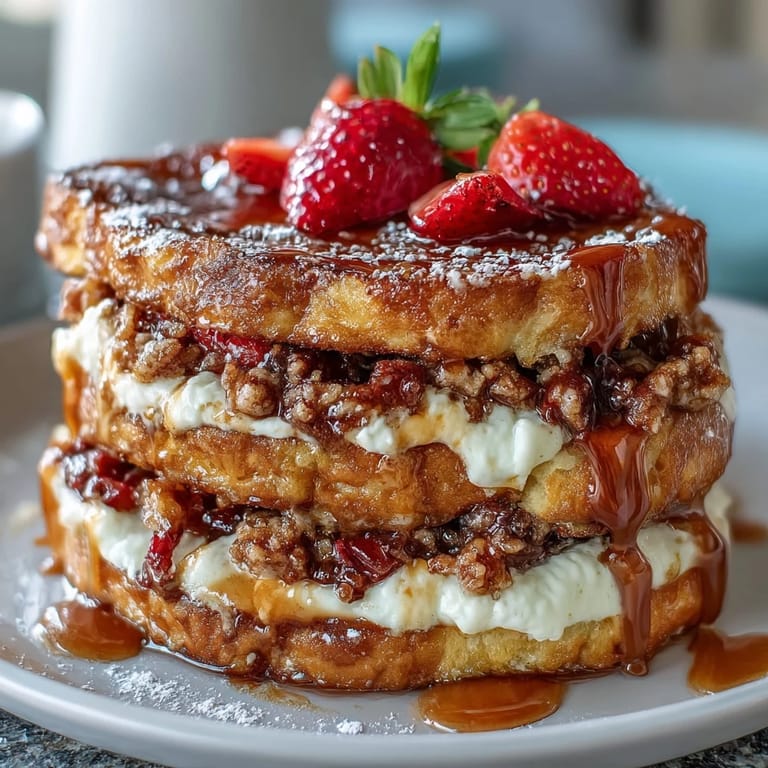
 Every time I make this, I'm reminded that the best brunch recipes aren't the complicated ones; they're the ones that let you show up for people without stress. This casserole does exactly that.
Recipe FAQ
- → Can I prepare this dish the night before?
Yes, assemble the bake and refrigerate overnight. Bake it fresh the next day for best texture and flavor.
- → What bread types work best?
Brioche or challah provide a soft, rich base that absorbs custard well without becoming soggy.
- → Can I use other fruits instead of strawberries?
Raspberries or blueberries make excellent alternatives, adding their own unique sweetness and texture.
- → How should I serve this dish?
Serve warm with a dusting of powdered sugar and drizzled maple syrup for added sweetness and moisture.
- → Is there a way to enhance the flavor further?
Add a teaspoon of lemon zest to the custard mixture to brighten and deepen the flavor profile.