 Pin it
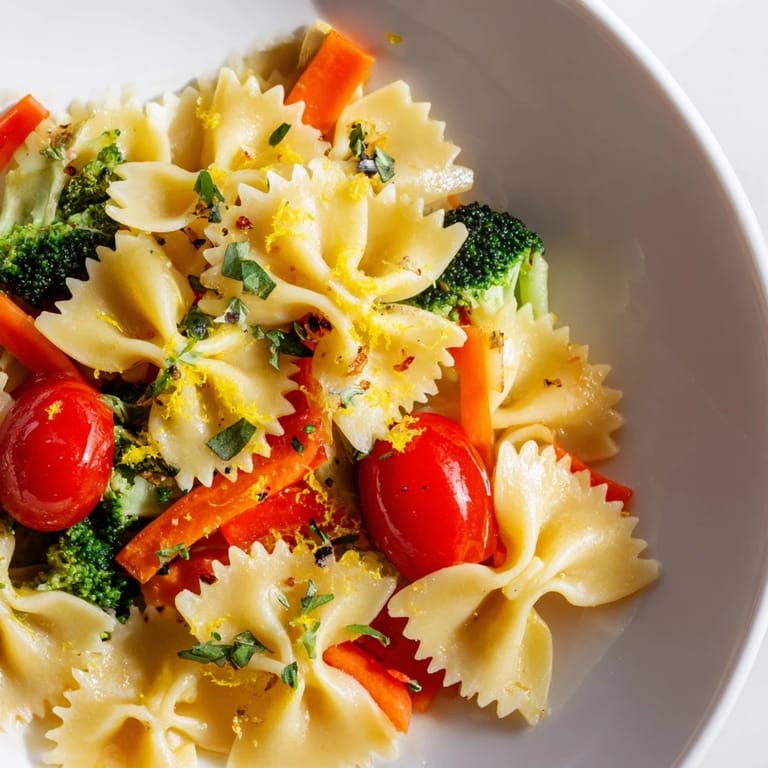
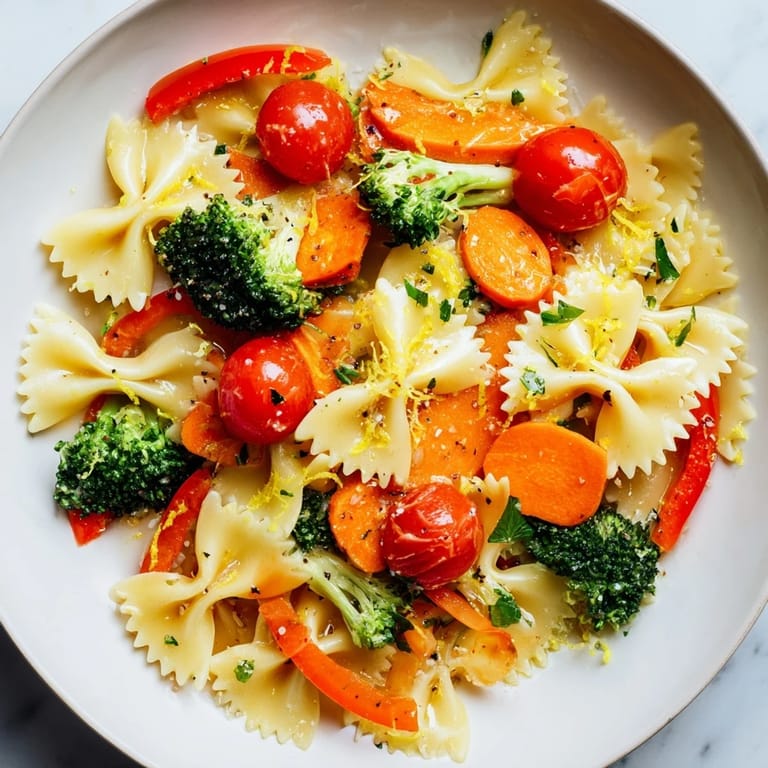
 The first time I made this primavera, I was trying to use up a CSA box that was threatening to take over my refrigerator. I just kept chopping and adding whatever looked bright, and suddenly my pasta bowl looked like a garden had exploded in the best possible way. My roommate walked in, stopped mid-sentence, and asked if I'd secretly become a chef. That's when I realized sometimes the most beautiful meals come from using what you have and letting the colors guide you.
Last spring, my neighbor came over for what was supposed to be a quick weeknight dinner. She ended up staying for three hours, picking out every single red pepper slice because she'd decided she loved them best. We ate on the back porch as the sun went down, and I remember thinking this is exactly what food should do—bring people to the table and keep them there.
Ingredients
- Bow-tie pasta (340 g/12 oz): The ridges catch the light sauce perfectly, and they're fun to eat—dont tell me you dont play with your food sometimes
- Cherry tomatoes (1 cup, halved): They burst like little flavor bombs when you bite into them, especially if they're slightly blistered from the pan
- Asparagus (1 cup, 1-inch pieces): Spring's best gift to pasta—trim the woody ends and they'll cook up tender in minutes
- Red bell pepper (1 cup, thinly sliced): Adds sweetness and that gorgeous red pop that makes the whole dish sing
- Yellow squash (1 cup, half-moons): Buttery and mild, it soaks up the garlic oil like a sponge
- Broccoli florets (1 cup): Get them into the hot pan first—they need a head start to become tender-crisp
- Carrots (1 cup, julienned): The crunch factor is essential here, and they add another layer of orange brightness
- Red onion (1/2 cup, thinly sliced): A little sharpness goes a long way—thin slices mellow out beautifully as they cook
- Frozen peas (1/2 cup): My secret weapon—they stay sweet and bright green, no matter how long they hang out in the pan
- Extra-virgin olive oil (3 tbsp): This is your sauce base, so use the good stuff you reserve for special occasions
- Garlic (3 cloves, minced): Dont even think about using garlic powder—fresh is non-negotiable here
- Crushed red pepper flakes (1/2 tsp, optional): Just a whisper of heat that makes you wonder, What is that? but in a good way
- Lemon (zest and 2 tbsp juice): The acid cuts through the olive oil and wakes up every single vegetable
- Fresh basil and parsley (2 tbsp each, chopped): Add them at the end so they keep their bright, fresh personality
- Parmesan cheese (1/4 cup, optional): If you eat dairy, this adds a salty, nutty finish that ties everything together
Tired of Takeout? 🥡
Get 10 meals you can make faster than delivery arrives. Seriously.
One email. No spam. Unsubscribe anytime.
Instructions
- Get your pasta water going:
- Bring a large pot of salted water to a boil—I like it almost as salty as the ocean, which helps season the pasta from the inside out
- Cook the pasta:
- Cook the bow-tie pasta until it's al dente, usually about a minute less than the package says, then reserve 1/2 cup of that starchy pasta water before draining
- Start the aromatic base:
- Heat 2 tablespoons of olive oil in a large skillet over medium heat, add the minced garlic and red pepper flakes, and let them sizzle for just 1 minute until your kitchen smells incredible
- Add the hard vegetables first:
- Toss in the carrots, broccoli, and asparagus—they need 3 to 4 minutes to start softening while staying satisfyingly crisp
- Add the softer vegetables:
- Throw in the red onion, bell pepper, and yellow squash with a pinch of salt, and sauté for another 3 to 4 minutes until everything is tender but still holds its shape
- Add the quick-cooking vegetables:
- Stir in the cherry tomatoes and frozen peas, cooking for just 2 minutes until the peas are heated through and the tomatoes start to look glossy
- Bring it all together:
- Add the cooked pasta to the skillet with the remaining olive oil, lemon zest, and lemon juice, tossing everything together and adding splashes of pasta water until you have a silky, coating sauce
- Season and serve:
- Taste and adjust the salt and pepper, then finish with Parmesan, basil, and parsley right before serving so the herbs stay vibrant
 Pin it
 My mom now calls me every spring to ask when I'm making this, and she's not even someone who typically cares about vegetables in her pasta. Something about the way all those colors look together on a white plate makes people happy before they even take a bite. I've started doubling the recipe just so I can eat it for lunch the next day, when the flavors have had even more time to become friends.
Making It Your Own
The beauty of primavera is that it's really just a formula—pasta, olive oil, garlic, lemon, and whatever vegetables make you happy. I've made this in winter with roasted root vegetables and in summer with corn and zucchini from the garden. The key is cutting everything into similar sizes so it cooks evenly, and not overcrowding the pan or you'll end up steaming instead of sautéing.
Timing Is Everything
I learned the hard way that prepping all your vegetables before you start cooking is absolutely essential here. Once you hit that hot pan with oil, things move fast, and there's nothing worse than realizing your asparagus is still whole while your onions are already burning. Now I lay everything out in little bowls like my own cooking show, and the whole process becomes genuinely relaxing instead of frantic.
Serving Suggestions
This pasta wants to be eaten outside with a glass of something cold and crisp, ideally while someone else handles the dishes. I've served it alongside grilled chicken for people who insist on protein, and I've eaten it straight from the container at midnight standing in front of the refrigerator. Both are perfect.
- A simple green salad with vinaigrette balances the richness
- Crusty garlic bread is never a bad idea, even if it feels like overkill
- The leftovers, if they exist, are actually better the next day
 Pin it
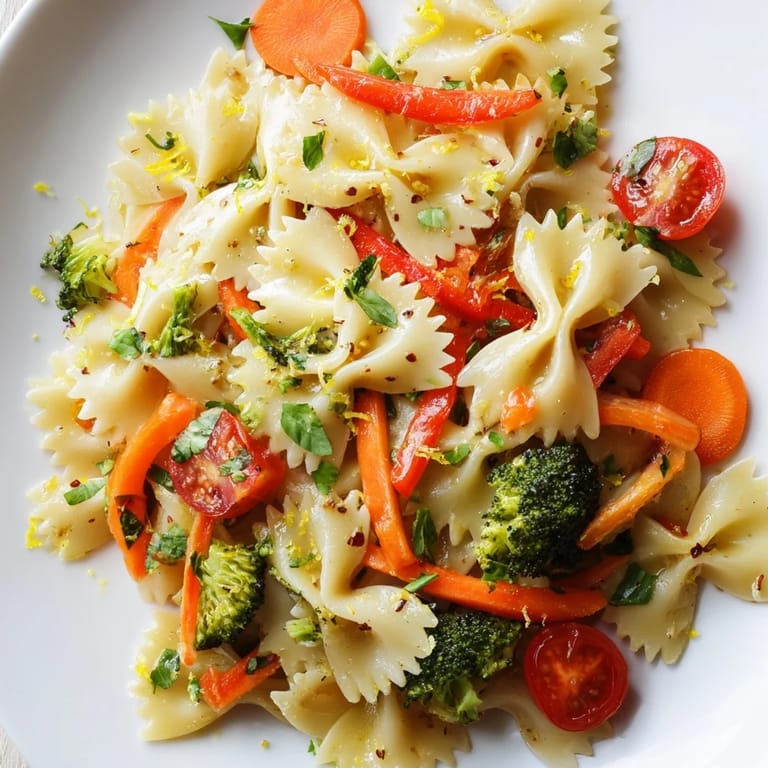
 There's something deeply satisfying about eating a meal that looks as good as it makes you feel. This pasta has become my go-to for bringing a little sunshine to the table, no matter what the calendar says.
Recipe FAQ
- → Can I prepare this dish ahead of time?
While best served fresh, you can prep all vegetables in advance and store them separately in the refrigerator. Cook the pasta and vegetables just before serving to maintain their vibrant color and crisp texture.
- → What vegetables work best as substitutes?
Try zucchini, snap peas, green beans, mushrooms, or artichoke hearts. Choose vegetables with similar cooking times and varying colors for visual appeal.
- → How do I keep the vegetables from becoming overcooked?
Add vegetables in stages based on cooking time, starting with harder ones like carrots and broccoli. Add quicker-cooking vegetables like tomatoes and peas near the end to preserve their texture and nutrients.
- → Is this suitable for a vegan diet?
Yes, omit the Parmesan cheese or use a plant-based alternative. The dish is naturally vegetarian and easily adapted to vegan requirements.
- → Can I add protein to this dish?
Definitely. Grilled chicken, shrimp, or tofu work wonderfully. Add cooked protein during the final tossing step to heat through and combine with the pasta.
- → What wine pairs well with this pasta?
A crisp Sauvignon Blanc or Pinot Grigio complements the light, fresh flavors. The acidity enhances the lemon notes and pairs beautifully with the vegetables.