 Pin it
 My neighbor Maria handed me a bottle of homemade Limoncello one September evening, wrapped in tissue paper like it was spun gold. She insisted I bake something with it, though I'd never worked with the stuff before. That weekend, I found myself in the kitchen on a whim, wanting to capture that bright, boozy-citrus magic in cake form. The result was this tender pound cake that somehow tastes like a Sicilian summer and a cozy afternoon all at once. Now it's become my go-to when I need to impress someone or simply want the kitchen to smell like lemons and butter.
I brought this cake to a potluck last spring, and someone actually closed their eyes on the first bite—then opened them and asked if it was store-bought because they couldn't believe I made it. That moment reminded me why I love baking: it's one of the few things that can stop people mid-conversation and make them just... present. Every slice I cut that day disappeared within minutes, and I found myself scribbling down the recipe for three different people on the back of napkins.
Ingredients
- Unsalted butter (1 cup, softened): Softening it properly is everything here—room temperature butter creams into that pale, fluffy mixture that traps air and makes the cake tender.
- Granulated sugar (2 cups): This is your structure, but resist the urge to skip the creaming step; rushing it means a denser cake.
- Large eggs (4, room temperature): Cold eggs won't incorporate smoothly, so pull them out about 30 minutes before you start.
- Limoncello liqueur (1/4 cup): This is the star—the alcohol bakes off but leaves behind a floral, zesty complexity that fresh juice alone cannot replicate.
- Whole milk (1/4 cup, room temperature): Adds moisture without weighing down the crumb; warm milk blends in seamlessly.
- Freshly grated lemon zest (2 tbsp from about 2 lemons): Zest your lemons before juicing them, and don't be shy—the little flecks are flavor bombs.
- Fresh lemon juice (1/4 cup): Use Meyer lemons if you can find them; they're sweeter and less harsh than regular lemons.
- All-purpose flour (2 1/2 cups): Measure by scooping and leveling, not packing, or you'll end up with a gluey cake.
- Baking powder (1 1/2 tsp): Check your container's date; old baking powder won't give you lift.
- Salt (1/2 tsp): This small amount actually amplifies the lemon flavor instead of making it salty.
- Powdered sugar (1 cup, sifted): Sifting prevents lumps in your glaze; it only takes a minute and makes all the difference.
- Limoncello liqueur for glaze (1 tbsp): A touch more of that signature flavor to tie everything together.
Tired of Takeout? 🥡
Get 10 meals you can make faster than delivery arrives. Seriously.
One email. No spam. Unsubscribe anytime.
Instructions
- Heat and prepare:
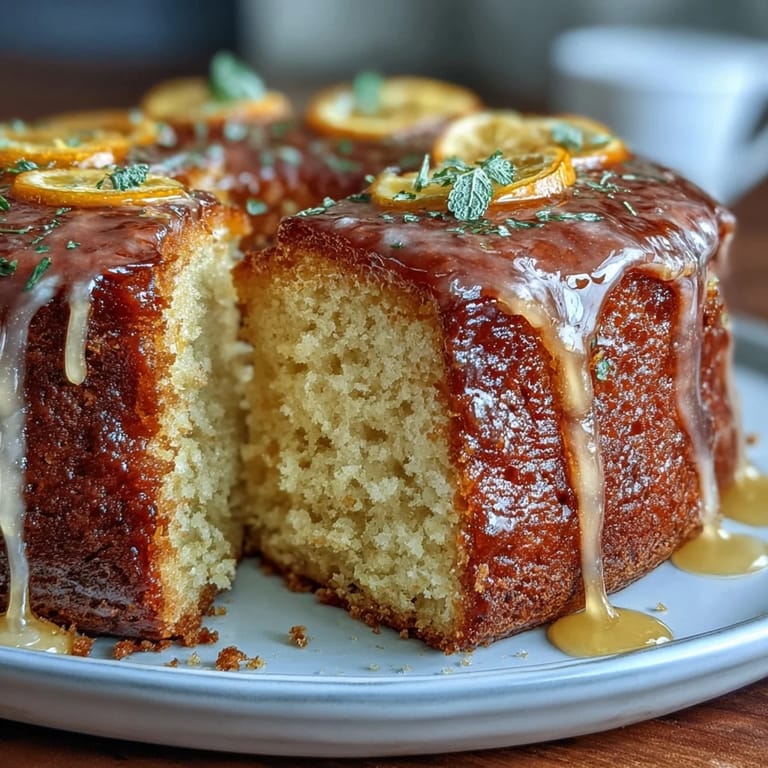
- Preheat your oven to 350°F and really commit to getting that pan ready—grease it, then dust it with flour, tapping out the excess. A 9x5-inch loaf pan works beautifully, but a bundt pan makes it look bakery-quality.
- Cream the butter and sugar:
- This is where the magic starts: beat softened butter with sugar until it's pale, fluffy, and looks almost like frosting, which takes about 3 to 4 minutes with an electric mixer. You're aerating the mixture, and that air is what keeps the cake tender.
- Add eggs one at a time:
- After each egg, let it fully incorporate before adding the next; if you rush, the mixture can look curdled, which means the eggs aren't binding properly. It'll still work out, but patience here prevents unnecessary stress.
- Fold in the brightness:
- Gently stir in the lemon zest, Limoncello, lemon juice, and milk until just combined; don't overmix or you'll develop gluten and toughen the cake. You want everything evenly distributed but no more than that.
- Combine dry ingredients:
- In another bowl, whisk the flour, baking powder, and salt together so the leavening is distributed evenly. This prevents pockets of dense cake or uneven rising.
- Bring it together gently:
- Add the dry mixture to the wet mixture in two or three additions, stirring just until you don't see streaks of flour anymore. This is not the time to be thorough; overmixing is the enemy of tender pound cake.
- Bake until golden:
- Pour into your pan and smooth the top slightly, then bake for 50 to 55 minutes, checking with a toothpick around the 50-minute mark. You're looking for a toothpick that comes out clean or with just a few moist crumbs, not wet batter.
- Cool with intention:
- Let it rest in the pan for 15 minutes—this helps it set up and release cleanly—then turn it out onto a wire rack to cool completely. Cutting into a warm cake is tempting but results in crumbly slices.
- Make the glaze:
- Whisk powdered sugar with lemon juice and Limoncello until it's smooth and just pourable; it should fall in ribbons from your whisk. If it's too thick, add a teaspoon of juice at a time; too thin, add more powdered sugar.
- Glaze and set:
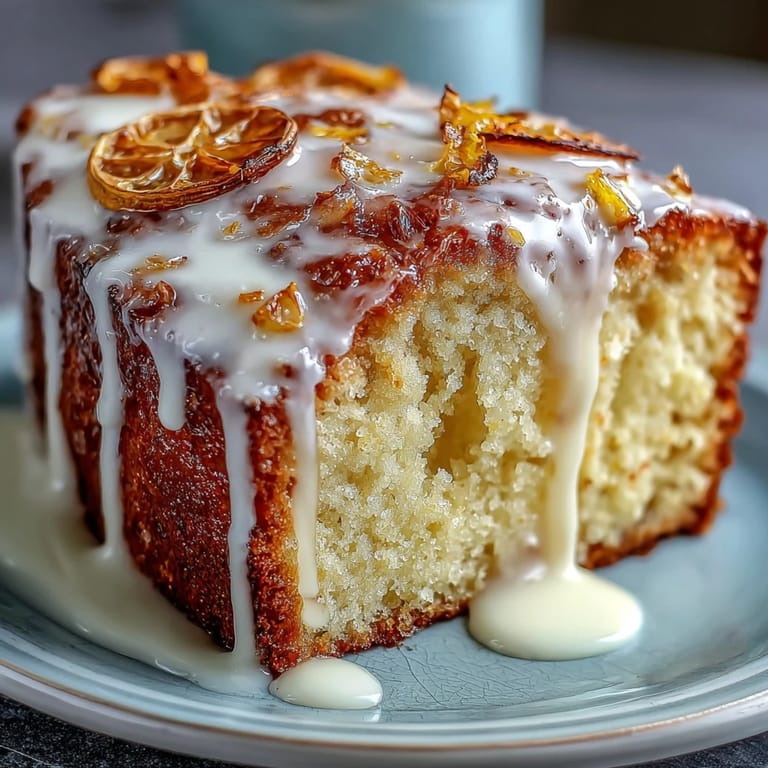
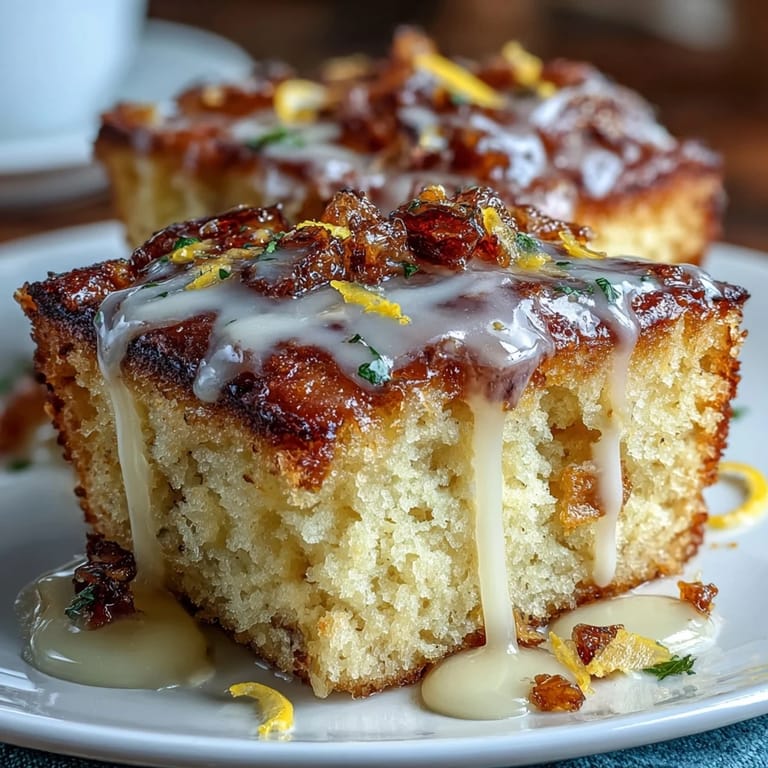
- Drizzle the glaze over the cooled cake, letting it pool slightly on top, and sprinkle with extra lemon zest if you have it. Let it set for at least 30 minutes before slicing so the glaze isn't sticky.
 Pin it
 One afternoon, my daughter sat at the kitchen counter with a slice of this cake and a glass of milk, just swinging her legs and humming while she ate. She didn't say anything fancy, just "This is really good, Mom," but it made me realize that the best desserts aren't the most complicated—they're the ones that make people slow down. That's what this cake does.
When Life Calls for a Fancy Dessert
This cake strikes that rare balance between approachable and impressive, which is why I reach for it when I want to bring something to a dinner party but don't want to spend all day in the kitchen. It's also sturdy enough to transport without crumbling apart in the car, and it actually tastes better the next day once the flavors have settled into every crumb. The glaze gives it a polished finish that makes it look like it took twice the effort it actually did.
The Limoncello Question
I know Limoncello can feel like a fancy ingredient, and you might be tempted to skip it, but honestly, it's worth seeking out—even a small bottle lasts forever in the freezer. If you truly can't find it or choose not to use alcohol, you can replace it with the same amount of fresh lemon juice and a tiny splash of vanilla extract, though the cake will be more straightforward and less complex. Some people add a pinch of almond extract when they do this substitution, which brings back some of that aromatic depth that Limoncello provides.
Making It Your Own
Pound cake is forgiving in the best way—once you understand the basics, you can start playing with it. I've experimented with adding poppy seeds, swapping in fresh raspberries, or even a touch of fresh basil alongside the lemon, and each version feels like a new discovery. The structure stays solid, which means you can trust the recipe while making it reflect your mood or what you have on hand.
- For extra softness, substitute half the all-purpose flour with cake flour, which has less protein and yields a more delicate crumb.
- If you want to serve it without glaze, dust the cooled cake lightly with powdered sugar for a more understated presentation.
- Store covered at room temperature for up to three days, and yes, it freezes beautifully—just wrap it well and thaw slowly before glazing.
 Pin it
 This cake has quietly become one of those recipes I return to again and again, not because it's trendy, but because it never disappoints. Bake one today, and I promise you'll understand why.
Recipe FAQ
- → What gives the cake its citrus flavor?
Fresh lemon zest and juice infused into the batter, complemented by a lemon glaze, create a bright citrus profile.
- → Can the Limoncello be substituted?
Yes, replacing Limoncello with additional lemon juice creates an alcohol-free version with a lighter flavor.
- → How to achieve a lighter texture?
Substituting half the all-purpose flour with cake flour results in a softer, lighter crumb.
- → What baking pans work best?
Use a 9x5-inch loaf pan or a bundt pan to ensure even baking and shaping.
- → How long should the glaze set before serving?
Allow the lemon glaze to set for several minutes after drizzling to ensure it firms slightly without losing shine.