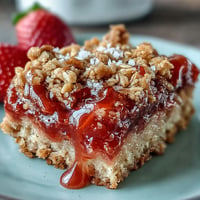
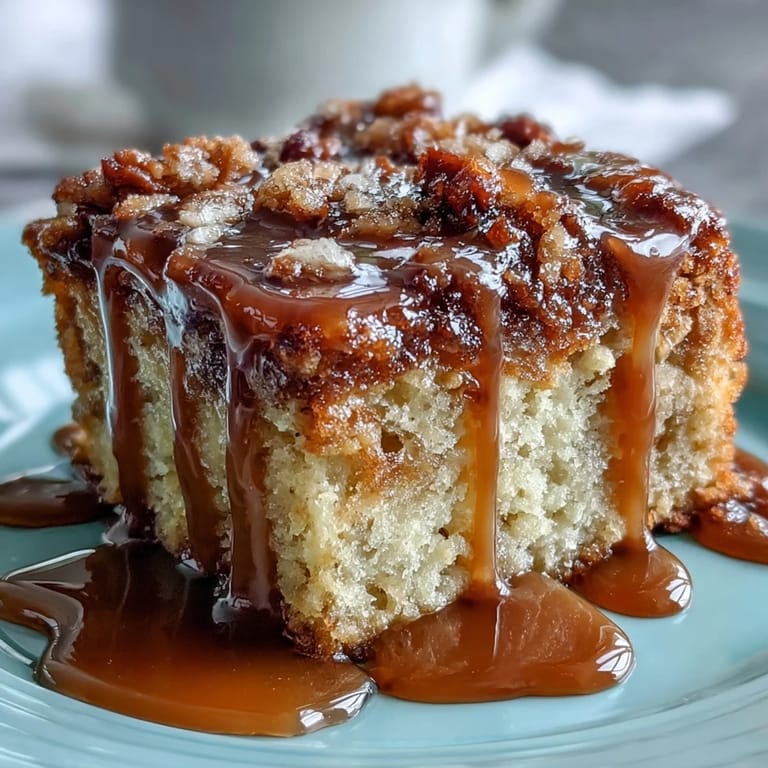
 Pin it
 My neighbor Margaret pressed a small jar of dandelion honey into my hands one spring afternoon, insisting I use it for something special. I'd never baked with it before—only ever seen it gathering dust on specialty shelves—but her enthusiasm was contagious. That evening, I invented this cake half on instinct, half on curiosity, combining the honey's subtle floral notes with bright lemon to balance its sweetness. The result was so unexpectedly lovely that I've made it dozens of times since, always thinking of Margaret's knowing smile when I drizzle on that glaze.
I baked this for a small garden party last May, and watching people's faces light up when they tasted that first bite was pure magic. One guest asked if it was from a fancy bakery, and I loved being able to say I'd made it myself from honey and lemons and not much else. The compliments kept coming even as people went back for seconds, but what really stuck with me was my friend David asking for the recipe so he could make it for his mother.
Ingredients
- All-purpose flour (2 cups): Use a light hand when measuring—scoop and level rather than packing it down, which can make the cake dense.
- Baking powder and baking soda (1 1/2 tsp and 1/2 tsp): These work together to lift the cake gently without making it taste metallic; don't skip the baking soda just because you have baking powder.
- Fine sea salt (1/2 tsp): A pinch of salt brings out the honey's floral character and makes the whole cake taste less one-note.
- Unsalted butter (1/2 cup): Room temperature is non-negotiable here—cold butter won't cream properly with the honey, leaving you with a grainy texture.
- Dandelion honey (1/2 cup): If you can't find it, regular honey works, but dandelion has a gentle, almost herbal sweetness that defines this cake; hunt for it at farmers markets or specialty stores.
- Granulated sugar (1/2 cup): The combination of honey and sugar is what keeps this cake so moist; don't try to reduce either one.
- Large eggs (3): Room temperature eggs incorporate more smoothly into the batter and create a better crumb structure.
- Pure vanilla extract (1 tsp): The vanilla acts as a bridge between the honey and lemon, so use real extract, not imitation.
- Whole milk (1/2 cup): Room temperature milk prevents temperature shock when you add it to the creamed butter mixture.
- Lemon zest and juice (2 tbsp each): Zest the lemons first before juicing them—it's easier, and the brightness of fresh lemon is essential to balancing the honey's sweetness.
- Powdered sugar (1 cup): Sifting it removes lumps and makes for a smooth, pourable glaze without grainy spots.
- Dandelion honey for glaze (1 tbsp): This small amount drizzled into the glaze keeps the honey flavor present all the way through to the finish.
Tired of Takeout? 🥡
Get 10 meals you can make faster than delivery arrives. Seriously.
One email. No spam. Unsubscribe anytime.
Instructions
- Ready Your Pan:
- Grease a 9-inch round cake pan thoroughly with butter or oil, then dust it lightly with flour, tapping out the excess. Alternatively, line the bottom with parchment paper for foolproof release.
- Dry Ingredients:
- Whisk together flour, baking powder, baking soda, and salt in a medium bowl, breaking up any clumps in the baking soda with the back of a spoon. Set this aside—you'll need it in a few minutes.
- Cream the Base:
- In a large bowl, beat the room-temperature butter, dandelion honey, and sugar together for about 3 minutes until the mixture is pale, fluffy, and noticeably lighter in color. This step is where the magic starts; don't rush it.
- Add the Eggs:
- Crack each egg into the butter mixture one at a time, beating well after each addition so the yolk and white fully incorporate before you add the next one. After all three eggs are in, stir in the vanilla extract, lemon zest, and fresh lemon juice.
- Build the Batter:
- Add the flour mixture in three portions, alternating with the milk—flour, then milk, then flour, then milk, then flour—stirring gently after each addition until just barely combined. Stop as soon as you don't see white flour streaks; overmixing develops gluten and makes the cake tough instead of tender.
- Into the Pan:
- Pour the batter into your prepared pan and smooth the top gently with a spatula or the back of a spoon. A level top bakes more evenly.
- Bake:
- Slide the pan into a 350°F oven and bake for 35 to 40 minutes, checking around the 35-minute mark by inserting a toothpick or thin skewer into the very center. When it comes out clean or with just a crumb or two clinging to it, you're done.
- Cool Gradually:
- Let the cake rest in its pan for 10 minutes—this allows it to set without cracking when you flip it—then turn it out onto a wire rack to cool completely. A completely cool cake is essential before glazing, so give it a good 30 minutes to an hour.
- Make the Glaze:
- Whisk together sifted powdered sugar, lemon juice (add it gradually, 1 tablespoon at a time, until you reach a drizzle-able consistency), and dandelion honey until smooth and glossy. If it's too thick, add another half-teaspoon of lemon juice; if too thin, sift in a bit more powdered sugar.
- Glaze and Set:
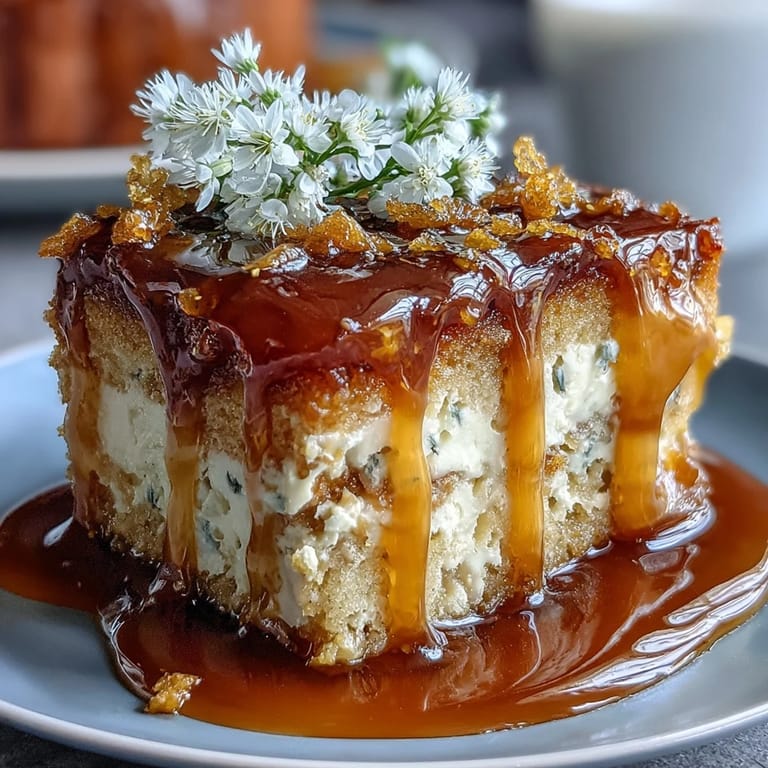
- Drizzle the glaze over the cooled cake in a decorative pattern, letting it pool slightly at the edges. Let it set for 10 to 15 minutes before slicing so it firms up and doesn't run all over your plate.
 Pin it
 There's something almost magical about watching someone taste this cake for the first time and seeing their eyes widen at the unexpected floral note paired with sharp lemon. It's delicate but bold, simple but elegant—the exact opposite of intimidating, even though it looks like something from a fancy tearoom. That's when I realized this cake isn't just dessert; it's a small gift of spring you can share with people you care about.
The Story of Dandelion Honey
Dandelion honey has been treasured in European kitchens for centuries, though many people don't even realize dandelions produce it. The honey has an almost medicinal elegance—floral without being perfumey, with hints of caramel and something faintly herbal that makes it completely different from clover or wildflower honey. When I first started using it in baking, I discovered that it shines brightest when paired with something bright and acidic, like lemon, which is exactly why this cake works so well.
When to Make This Cake
This is the cake to bake when spring finally arrives and you want to celebrate it without making anything heavy or overly sweet. It's perfect for afternoon tea, garden parties, bridal showers, or that moment when you realize a simple dessert is exactly what a gathering needs. I've also found it travels beautifully—the honey keeps it moist during transport, and it actually tastes better the next day after the flavors have settled together.
Variations and Personal Touches
Once you've made this cake a few times and feel comfortable with it, you can start playing. Some spring gatherings call for a more pronounced dandelion flavor, and if that's what you want, simply stir 2 tablespoons of finely chopped, unsprayed dandelion petals into the batter after you've added the lemon zest. A light herbaceous note emerges that tastes like early mornings in a meadow. You could also brush the cooled cake with a light dandelion-infused simple syrup before glazing, or even add a tablespoon of fresh thyme or lavender to the glaze if you want to lean further into the floral theme.
- If you prefer a less lemony cake, reduce the zest and juice by half and increase the vanilla extract to 1 1/2 teaspoons.
- For a dairy-free version, substitute the milk with oat or almond milk and the butter with coconut oil, though the crumb will be slightly different.
- Store leftovers in an airtight container at room temperature for up to three days, or freeze the unfrosted cake for up to two months.
 Pin it
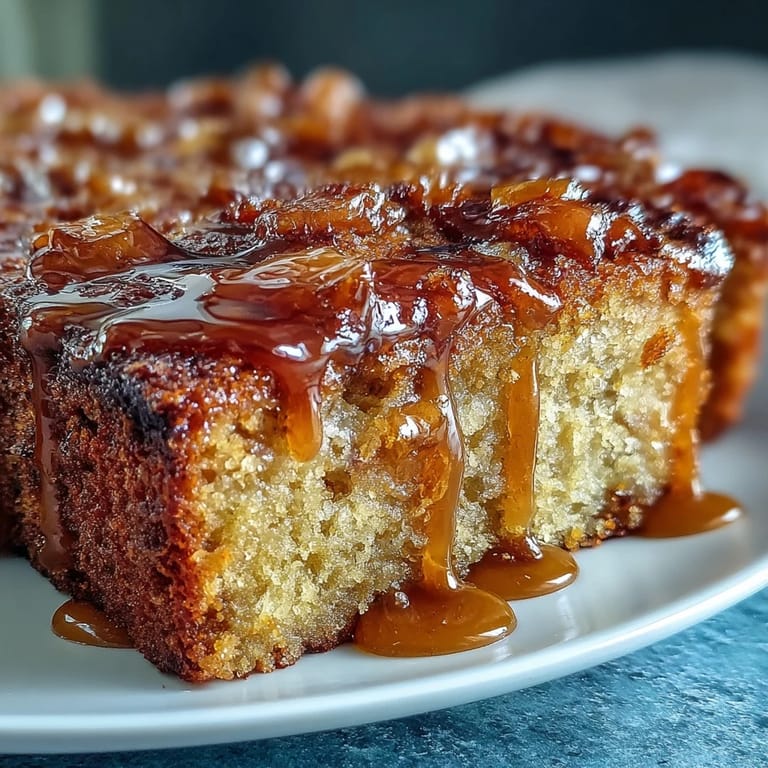
 This cake has become my go-to dessert for those moments when I want to feel like I've done something special without spending hours in the kitchen. There's something deeply satisfying about pulling a golden, fragrant cake from the oven and knowing that the flavors inside are going to make someone smile.
Recipe FAQ
- → What makes dandelion honey special in this cake?
Dandelion honey offers a unique floral sweetness that enhances the cake’s aromatic profile without overpowering other flavors.
- → Can I substitute regular honey?
Yes, regular honey can be used if dandelion honey is unavailable, though the floral notes may be less pronounced.
- → How do I achieve the perfect lemon glaze consistency?
Gradually add lemon juice to powdered sugar while whisking until a smooth, pourable glaze forms that can set nicely atop the cake.
- → What is the best way to store this cake?
Store in an airtight container at room temperature for up to three days to maintain moisture and freshness.
- → Can I enhance the dandelion flavor further?
Adding finely chopped unsprayed dandelion petals into the batter intensifies the floral character of the cake.
- → What beverages pair well with this cake?
Herbal teas and light floral white wines complement the delicate honey and lemon flavors beautifully.