 Pin it
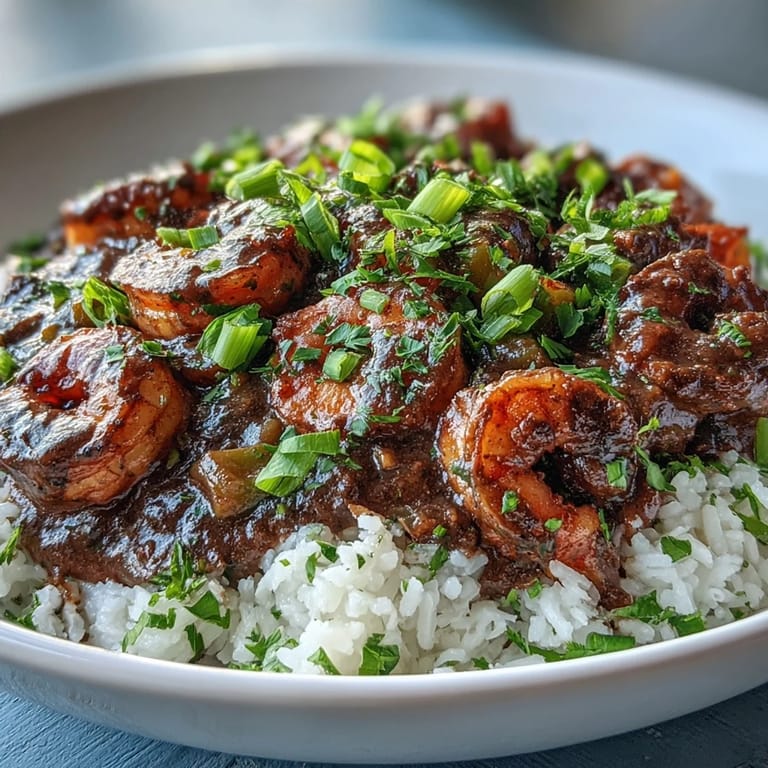
 The smell of butter-dark roux still pulls me back to a humid June evening in my kitchen, windows flung open, sweat on my forehead, arm cramping from twenty straight minutes of stirring. I had just returned from New Orleans and was determined to recreate the étouffée I'd tasted in a dim corner restaurant on Frenchmen Street. The pot hissed and bubbled, and I panicked twice thinking I'd gone too far, but that deep mahogany color eventually came through. When I finally ladled it over rice and tasted it, the whole mess of effort made sense.
I made this for my neighbor once after she mentioned missing Louisiana, and she stood in my doorway with the bowl in her hands, silent for a long moment before smiling. She said it reminded her of her grandmother's kitchen, which is the kind of compliment that stays with you. We ate on my porch with the cicadas buzzing, and she told me stories about crawfish boils and summer thunderstorms while scraping her bowl clean.
Ingredients
- Vegetable oil and all-purpose flour: These two build the roux, the soul of the dish, so don't rush it and keep your heat steady to avoid scorching.
- Onion, green bell pepper, and celery: The holy trinity of Cajun cooking, they add sweetness, earthiness, and structure that anchors every bite.
- Garlic: Four cloves might seem bold, but it mellows into the sauce and adds warmth without overpowering the seafood.
- Shrimp or crawfish: Use fresh or frozen, but make sure they're peeled and deveined so they cook evenly and the sauce stays silky.
- Seafood stock: This brings brininess and depth, though chicken stock works in a pinch if that's what you have on hand.
- Worcestershire sauce: A tablespoon adds umami and a faint tang that rounds out the spice without announcing itself.
- Cajun seasoning and cayenne pepper: These control the heat, so taste as you go and remember you can always add more but can't take it back.
- Bay leaf: It's easy to forget, but it quietly weaves herbal notes through the sauce as it simmers.
- White rice: Fluffy and plain, it's the perfect canvas to soak up all that dark, spicy gravy.
- Green onions and parsley: Fresh, bright, and grassy, they cut through the richness right before serving.
Tired of Takeout? 🥡
Get 10 meals you can make faster than delivery arrives. Seriously.
One email. No spam. Unsubscribe anytime.
Instructions
- Start the roux:
- Heat the oil in a heavy pot over medium heat, then whisk in the flour slowly to avoid lumps. Stir constantly with a wooden spoon or whisk, watching it turn from pale blonde to deep chocolate brown over 15 to 20 minutes.
- Build the base:
- Once the roux is dark and fragrant, add the diced onion, bell pepper, and celery, stirring them into the hot roux until they soften and release their sweetness, about 5 to 7 minutes. Toss in the garlic and let it bloom for just a minute until the kitchen smells incredible.
- Add the liquid:
- Pour in the seafood stock gradually, whisking to dissolve the roux and create a smooth, thickened base. It should look glossy and unified, with no clumps floating around.
- Season and simmer:
- Stir in the shrimp, Worcestershire sauce, Cajun seasoning, cayenne, bay leaf, salt, and pepper, then bring everything to a gentle simmer. Lower the heat and let it cook uncovered for 20 to 30 minutes, stirring now and then, until the sauce clings to the spoon and the shrimp are tender and cooked through.
- Finish and serve:
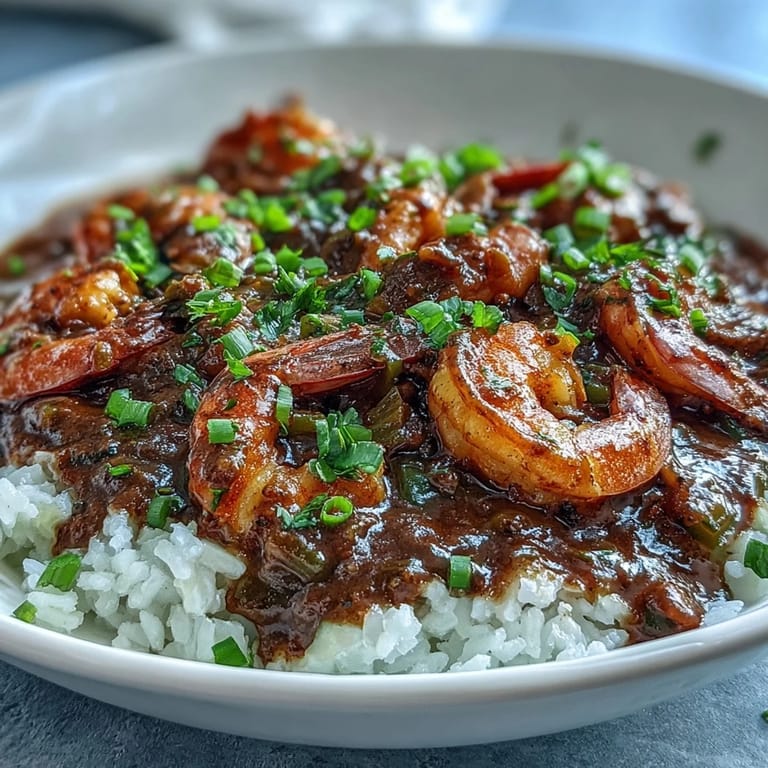
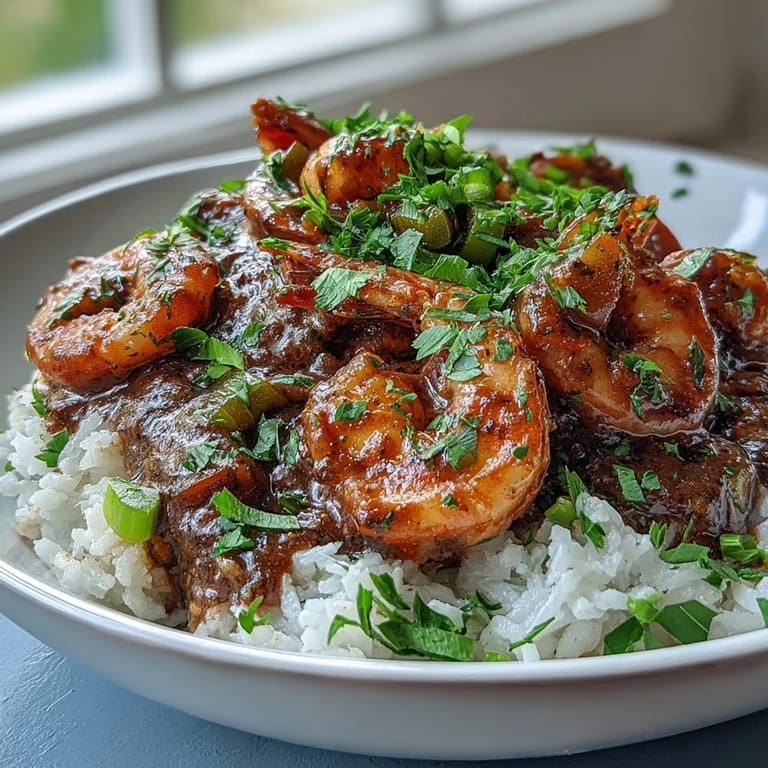
- Taste and adjust the seasoning, pull out the bay leaf, then ladle the étouffée over bowls of hot white rice. Scatter green onions and parsley on top for a fresh, bright finish.
 Pin it
 One night I served this to a group of friends who had never tried Cajun food, and they went quiet after the first bite, then asked for seconds before they'd finished their firsts. Someone said it tasted like a hug, which made me laugh, but I knew what they meant. It's the kind of food that wraps around you and makes you feel taken care of, even if you're the one who cooked it.
Storing and Reheating
Let the étouffée cool completely before transferring it to an airtight container, where it will keep in the fridge for up to three days. Reheat gently on the stovetop over low heat, adding a splash of stock or water if it's thickened too much. The flavors deepen overnight, so leftovers are never a disappointment.
Swapping the Protein
If shrimp isn't your thing or you want to stretch your budget, diced chicken thighs, sliced andouille sausage, or even chunks of firm tofu work beautifully in this sauce. Just adjust the cooking time so everything is cooked through but not overdone. I've even made it with mushrooms for a vegetarian version, and the earthy, meaty texture held up surprisingly well.
Serving Suggestions
A crisp green salad with a tangy vinaigrette balances the richness, and crusty French bread is perfect for mopping up every last bit of sauce. If you're feeling ambitious, a side of collard greens or cornbread rounds out the meal in true Southern style.
- Serve with cold beer or iced tea to cool down the heat.
- Offer hot sauce on the side for anyone who wants an extra kick.
- Garnish each bowl generously, the green onions and parsley really do make a difference.
 Pin it
 This dish has a way of turning an ordinary Tuesday into something special, filling the house with warmth and spice long before anyone sits down to eat. I hope it becomes one of those recipes you return to again and again, tweaking it until it feels like your own.
Recipe FAQ
- → What is étouffée?
Étouffée is a classic Cajun and Creole dish featuring shellfish smothered in a rich roux-based sauce. The name comes from the French word meaning 'to smother' or 'to suffocate,' referring to the cooking technique where seafood is braised in a thick, flavorful sauce until tender.
- → How do you make a dark roux for étouffée?
Start by heating oil in a heavy pot over medium heat, then gradually whisk in flour. Cook the mixture constantly, stirring for 15-20 minutes until it reaches a deep chocolate brown color. The roux must be watched carefully as it can burn quickly, and a dark roux provides the signature color and depth of flavor to the dish.
- → Can I make étouffée with other proteins?
Yes, while shrimp is traditional, you can substitute crawfish (authentic choice), chicken, andouille sausage, or even mushrooms for a vegetarian version. Each protein will bring slightly different flavors and cooking times, so adjust accordingly—shrimp and crawfish cook quickly while chicken needs more time.
- → What's the difference between étouffée and gumbo?
While both dishes use roux and the 'holy trinity' of vegetables, gumbo is a soup or stew typically served with rice on the side, while étouffée is thicker and served directly over rice as a main dish. Étouffée also typically features one main protein, whereas gumbo often includes multiple proteins and okra or filé powder as thickeners.
- → Can étouffée be made ahead of time?
Yes, étouffée actually improves in flavor after sitting overnight. The ingredients continue to meld and develop depth. Store in the refrigerator for up to 3 days or freeze for up to 3 months. When reheating, add a splash of stock or water to restore consistency if needed, and avoid overcooking the shrimp if reheating.